Locating a Masonic Lodge in Your Area: A Practical Overview
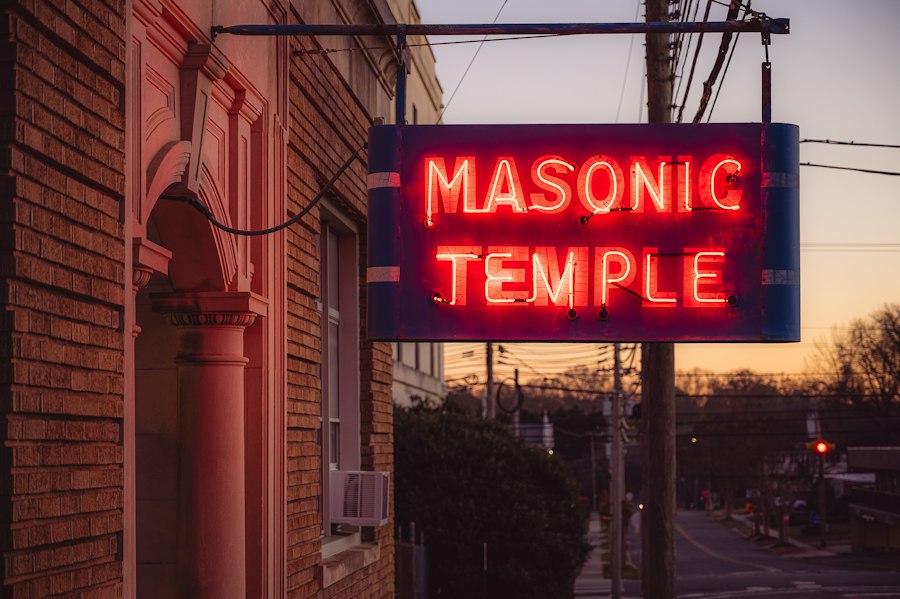
Finding a Masonic Lodge near you is a straightforward process, largely thanks to online resources and local directories. The quickest way is to use a search engine with terms like “Masonic Lodge [your city/town]” or “Freemasons near me.” Most Grand Lodge websites (the governing bodies of Freemasonry in a given jurisdiction) have a “Lodge Locator” feature, allowing you to input your location and find nearby lodges. Beyond that, local phone books (yes, they still exist!), community centers, and even word-of-mouth can be surprisingly effective. This guide will walk you through the practical steps, what to expect, and some important considerations as you begin your journey.
If you’re interested in learning more about local Masonic lodges and their activities, you might find this article on the February Trestleboard particularly insightful. It provides updates on events, initiatives, and community involvement that can help you connect with your nearby lodge. For more information, you can read the article here: February Trestleboard.
Starting Your Search: Practical Steps and Resources
Online Search Engines and Grand Lodge Websites
Your internet browser is your best friend when starting this search. A simple Google, Bing, or DuckDuckGo search for “Masonic Lodge [your city/state]” or “Freemasons near [your zip code]” will yield numerous results. Often, the top results will be for the Grand Lodge of your state or jurisdiction. These Grand Lodge websites are invaluable resources. They typically feature a “Lodge Locator” or “Find a Lodge” tool. You’ll usually input your address or zip code, and it will display a list of lodges, often with contact information and meeting schedules. Each state in the U.S. has its own Grand Lodge, as do many other countries and regions worldwide, so ensure you’re looking at the website for your specific location. For example, if you’re in California, you’d look for the “Grand Lodge of California.”
Exploring Local Directories and Community Information
While less common for initial discovery, local directories can still be useful, especially in smaller towns. This includes physical phone books (the Yellow Pages, for instance), although these are becoming rarer. Some community websites or local business directories might also list Masonic lodges, particularly if they have a public-facing aspect like renting out their hall for events. Public libraries often have local history sections or community resource guides where such organizations might be listed. Don’t overlook college or university archives if you’re in an area with a long history; they sometimes house records of local civic organizations.
The Power of Word-of-Mouth and Local Connections
Sometimes, the best way to find a lodge is through someone you know. Freemasonry, while not secret, is often discreet, and members may not openly advertise their affiliation. However, if you have friends, colleagues, or family members who are involved in community organizations or have lived in the area for a long time, they might know someone who is a Mason or be able to point you in the right direction. Community events, local clubs, or even simply asking discreetly at a local historical society can sometimes yield a personal connection that leads to an introduction. This approach can feel more personal and less like a cold call, which some people prefer.
Understanding What to Expect When You Reach Out
Initial Contact and Expression of Interest
Once you’ve identified a lodge or two, the next step is to make contact. Most Grand Lodge websites provide a generic “contact us” form that forwards your inquiry to lodges in your area, or they might list individual lodge contact information (email addresses or phone numbers for the Secretary or Membership Committee). When you reach out, keep it polite, concise, and respectful. State that you are interested in learning more about Freemasonry and how to join a local lodge. You don’t need to write a lengthy personal history; a simple expression of interest is sufficient. You might say something like, “I’m interested in learning more about Freemasonry and am seeking information on how to become a member of a local lodge. Could you please provide guidance on the next steps?”
The Information-Gathering Phase
After your initial contact, you’ll typically enter an information-gathering phase. A representative from the lodge (often the Secretary or a member of the Membership Committee) will likely respond. They might offer to meet for coffee or a casual chat. This isn’t an interview or an interrogation; it’s an opportunity for you to ask questions and for them to get to know you a little. They want to ensure you understand what Freemasonry is (and isn’t) and that your motivations align with the organization’s principles. This phase is crucial for both parties to determine if there’s a good fit. Be prepared to discuss your general interests, why you’re curious about Freemasonry, and what you hope to gain.
Attending Social Events and Open Houses
Many lodges host social events, dinners, or “open house” evenings that are open to the public or to prospective members. This is an excellent opportunity to meet current members in a relaxed setting, get a feel for the lodge’s atmosphere, and ask more questions. These events are not formal meetings, but rather chances to socialize and observe. Attending a few of these can give you a much clearer picture of the lodge’s character and whether it feels like a place you’d want to belong. It’s perfectly acceptable to attend more than one of these events at different lodges if you’re trying to decide which one might be the best fit for you.
Key Considerations When Choosing a Lodge
Location and Convenience
While it might seem obvious, the lodge’s physical location is a practical consideration. You’ll be attending meetings and potentially social events regularly, so proximity is important. A lodge that’s a difficult commute might discourage consistent attendance. Consider the travel time, parking availability, and how easy it is to get there from your home or workplace. A lodge that is just a few minutes away versus one that is an hour’s drive can make a significant difference in your long-term engagement.
Meeting Schedules and Frequency
Lodges typically meet on a regular schedule, often once or twice a month, usually in the evening. Check if the meeting schedule aligns with your personal and professional commitments. Some lodges might meet on a Tuesday evening, others on a Saturday morning. If a lodge’s meeting time consistently conflicts with your family obligations or work, it might not be the right fit, no matter how much you like the members. Be sure to ask about the typical length of meetings as well, so you can plan accordingly.
Lodge Culture and Atmosphere
Each lodge has its own unique “personality” or culture. Some lodges might be more traditional and focused on ritual, while others might have a more casual, community-oriented feel. Some are very active in local charity work, others might emphasize philosophical discussion. During your information-gathering phase and by attending social events, try to gauge the general atmosphere. Do the members seem friendly and welcoming? Do their interests align with yours? Do you feel comfortable and at ease in their company? This “feel” is subjective but very important. Don’t be afraid to visit a couple of lodges to compare and find the one that resonates most with you.
Age Demographics and Shared Interests
Consider the general age demographic of the lodge members. While Freemasonry welcomes men of all ages, some lodges might skew older, while others might have a more diverse age range. If you’re a younger man, finding a lodge with a mix of ages or a more active younger membership might be more appealing. Similarly, while Freemasonry unites men from all walks of life, some lodges might have members with more shared professional backgrounds, hobbies, or community interests. This can foster stronger bonds and a more engaging experience.
If you’re interested in learning more about the activities and community involvement of Masonic lodges, you might find the recent article on the November Trestleboard particularly insightful. It highlights various events and initiatives that local lodges are participating in, which can give you a better understanding of what to expect when visiting a Masonic lodge near you. For more details, check out the article here.
The Application Process: What Comes Next
| Masonic Lodge Name | Location | Distance (miles) | Contact Number | Meeting Days | Membership Size |
|---|---|---|---|---|---|
| Liberty Masonic Lodge | 123 Main St, Springfield | 2.5 | (555) 123-4567 | 1st & 3rd Thursdays | 75 |
| Harmony Lodge No. 45 | 456 Elm St, Springfield | 4.1 | (555) 234-5678 | 2nd & 4th Tuesdays | 60 |
| Unity Masonic Lodge | 789 Oak St, Springfield | 5.0 | (555) 345-6789 | Every Monday | 90 |
| Heritage Lodge | 321 Pine St, Springfield | 3.7 | (555) 456-7890 | 1st Wednesday | 50 |
The Petition for Membership
If you decide that Freemasonry is for you and you’ve found a lodge that feels like a good fit, the next step is usually to formally petition for membership. This involves filling out an application form, often called a “petition.” The petition asks for basic personal information, including your background, occupation, and sometimes references. It’s a formal declaration of your desire to join. The lodge Secretary or a member of the Membership Committee will guide you through this process and help you complete the necessary paperwork.
Background Checks and Interviews
Upon receiving your petition, the lodge will typically initiate a background check. This is standard procedure to ensure the safety and integrity of the organization. It’s not about finding dirt, but about confirming that you are of good moral character and have no significant issues that would preclude membership. You will also likely be visited by a committee of members (often three) in your home or at a neutral location. This “interview” is another opportunity for them to get to know you better, answer any remaining questions you might have, and for you to ask them more questions in a private setting. They’ll also explain more about the commitments involved.
The Ballot and Initiation
After the background checks and interviews are complete, your petition will be presented to the lodge members for a vote, or “ballot.” This is a private process, and a unanimous vote is typically required for acceptance. If the ballot is favorable, you will be notified and invited to begin your Masonic journey through a series of degrees, starting with the Entered Apprentice degree. This initiation is a symbolic and educational experience, not a fraternity hazing, and is designed to introduce you to the core tenets and principles of Freemasonry. It’s the beginning of a lifelong learning journey within the fraternity.
If you’re interested in learning more about the activities and community involvement of Masonic lodges, you might find this article on the September Trestleboard particularly insightful. It provides a comprehensive overview of recent events and initiatives that showcase the values and commitments of Freemasonry. For more details, you can check out the article here.
Important Considerations Before Joining
Time Commitment and Dedication
Freemasonry is not a passive organization; it requires a time commitment. Beyond attending regular lodge meetings, you’ll be expected to participate in the degree work (learning and performing rituals), engage in charitable activities, and potentially attend social functions. Be honest with yourself about how much time you can realistically dedicate. While not an overwhelming burden, consistent participation is key to a meaningful Masonic experience and to truly integrating into the lodge.
Financial Obligations
Like any organization, there are financial obligations associated with Freemasonry. This typically includes an initiation fee (a one-time payment when you join) and annual dues. These fees contribute to the upkeep of the lodge building, charitable endeavors, and administrative costs. The specific amounts vary significantly from lodge to lodge and jurisdiction to jurisdiction, so be sure to inquire about these costs upfront during your information-gathering phase. They should be transparent and readily available.
Understanding the Purpose and Values
Before joining, take the time to understand what Freemasonry is truly about. It’s not a religion, a political organization, or a secret society in the nefarious sense. It’s a fraternity that promotes self-improvement, moral lessons through allegory and symbolism, and brotherly love, relief, and truth. Its purpose is to make good men better. If you’re looking for something else – a business networking club, a quick path to success, or a magic secret – you will likely be disappointed. Ensure your motivations align with the core values and objectives of the fraternity.
Discretion and Respect for the Brotherhood
Once you join, you’ll be part of a brotherhood with a long and rich history. While Freemasonry is not a secret society, there are certain aspects, particularly the rituals and modes of recognition, that are considered private among members. This discretion is a part of the tradition and helps maintain the unique bond among Masons. You’ll be expected to respect this privacy. While you can openly share that you are a Freemason, details of the internal workings are reserved for brothers. This respect for the craft and its traditions is a fundamental aspect of membership.