Finding a Masonic lodge near you generally involves a few straightforward steps: online searches, using Grand Lodge websites, or even asking around if you know someone who’s a Mason. The process is designed to be accessible, though actual membership requires a bit more than just finding a building.
What is a Masonic Lodge?
At its simplest, a Masonic lodge is the fundamental unit of Freemasonry. Think of it as a local chapter or club where Masons meet. These meetings, often called “stated communications,” are where the administrative business of the lodge is conducted, and new members are initiated and educated in the principles of Freemasonry.
More Than Just a Meeting Place
While a lodge certainly is a physical location, it’s also a community. It’s where Masons build bonds of brotherhood, support each other, and work together on charitable endeavors. Lodges are governed by a set of rules and traditions, and they operate under the jurisdiction of a Grand Lodge. Every lodge has officers, much like any club, who manage its affairs and ceremonies.
A Look Inside a Typical Lodge Meeting
During a meeting, you might see members discussing lodge finances, planning upcoming events (like charity drives or social gatherings), or conferring degrees on new candidates. There’s usually a formal opening and closing, and the atmosphere is generally respectful and orderly, yet also friendly and welcoming to its members. It’s not a secret society in the sense of clandestine operations, but rather a society with secrets – meaning specific rituals and teachings are shared only among members.
If you’re interested in learning more about Masonic lodges in your area, you might find the article titled “May Trestleboard” particularly insightful. It provides valuable information about upcoming events and activities within the Masonic community. You can read it by following this link: May Trestleboard.
Why Find a Lodge?

People seek out Masonic lodges for various reasons. Often, it’s a desire for personal growth, a sense of community, or an interest in the historical and philosophical aspects of Freemasonry. It’s a journey of self-improvement and contributing to a better world, starting with oneself and extending to the community.
Personal Development and Education
Freemasonry offers a structured path for personal development. Through its allegories and symbols, it encourages members to reflect on their moral and ethical conduct. Lodge meetings and discussions often delve into philosophical concepts, history, and civic duties. This isn’t about being taught what to think, but rather how to think critically and apply virtuous principles in one’s life. Many Masons find this ongoing education deeply enriching, providing tools for self-mastery and intellectual curiosity.
Community and Brotherhood
One of the most compelling aspects of Freemasonry is the strong sense of community it fosters. Lodges provide a network of like-minded individuals from various walks of life. This brotherhood extends beyond the lodge walls; Masons are encouraged to support each other in times of need, offer advice, and celebrate successes. For many, the lodge becomes a second family, offering companionship and a sense of belonging that can be hard to find in today’s often transient world. This camaraderie isn’t superficial; it’s built on shared values and mutual respect.
Charitable Work and Public Service
Freemasonry has a long and proud tradition of philanthropy. Lodges actively engage in charitable work, supporting local communities through donations, volunteer efforts, and various outreach programs. From providing scholarships to supporting hospitals and children’s homes, the impact of Masonic charity is significant. Finding a lodge means finding an opportunity to contribute to these efforts, making a tangible difference in the lives of others. This aspect resonates with individuals who are looking for an organized way to give back and embody the principles of service.
Historical and Philosophical Interest
For some, the allure of Freemasonry lies in its rich history and enduring philosophical traditions. Dating back centuries, Freemasonry has influenced countless historical figures and played a role in significant societal developments. Its use of ancient symbols, allegories, and moral lessons derived from operative stonemasonry offers a unique intellectual pursuit. Exploring these aspects within a lodge setting provides a deeper understanding of human nature, ethics, and the pursuit of wisdom. It’s a chance to connect with a legacy that spans generations.
How to Locate a Lodge
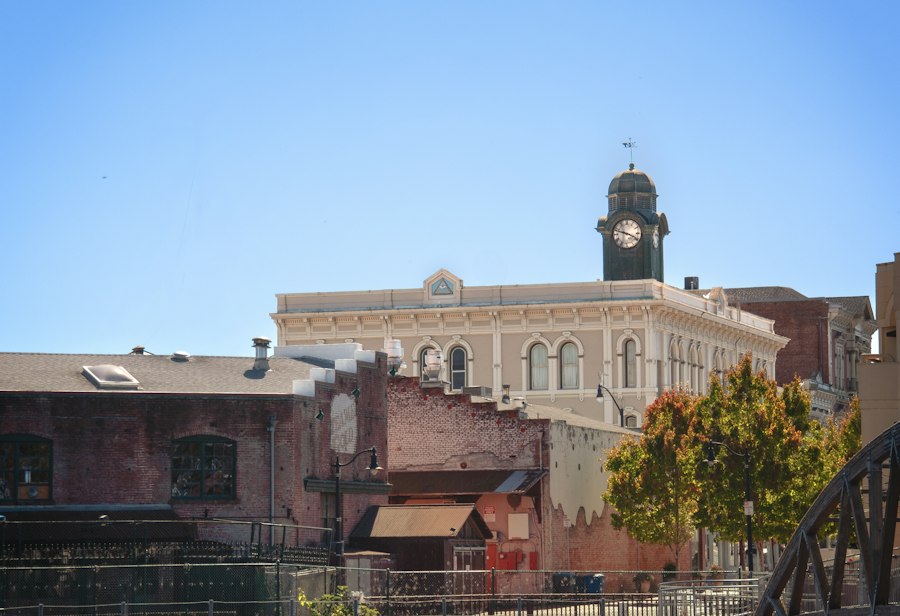
Finding a Masonic lodge isn’t like finding a Starbucks; they aren’t on every street corner, and you won’t typically see neon signs. However, with the right approach, locating one is quite straightforward.
The Grand Lodge Website
This is hands-down the most reliable and official way to find a lodge. Every state, province, or country has a Grand Lodge that oversees all the individual lodges within its jurisdiction.
Understanding Grand Lodges
Think of a Grand Lodge as the governing body for Freemasonry in a specific geographic area. For instance, in the United States, each state has its own Grand Lodge (e.g., The Grand Lodge of New York, The Grand Lodge of California). These Grand Lodges maintain records of all their constituent lodges, including their names, meeting times, and contact information. They ensure consistency in Masonic practice and uphold the traditions of the craft.
Navigating the Website
Most Grand Lodge websites have a “Lodge Locator,” “Find a Lodge,” or similar section. You’ll typically enter your location (city, zip code, or county), and it will provide a list of lodges near you. This list usually includes the lodge name, its number (which identifies it within the Grand Lodge), and often its meeting schedule and contact details for the Lodge Secretary. This is often the best first step as it ensures you’re looking at recognized and regular lodges.
Online Search Engines
While Grand Lodge websites are primary, a good old Google search can also yield results, but you need to be a bit more discerning.
Effective Search Terms
Try variations like “Masonic lodge near me,” “Freemasonry [your city/state],” or “[your city] Masonic temple.” This will often bring up official lodge websites, social media pages, or even news articles related to local Masonic activities. Be aware that some results might include appendant bodies (like the Scottish Rite or York Rite) or even groups that claim to be Masonic but aren’t recognized by regular Grand Lodges. Stick to results that clearly link back to a recognized Grand Lodge.
Filtering Unofficial or Irregular Groups
It’s crucial to understand that not all groups calling themselves “Masonic” are part of mainstream, recognized Freemasonry. There are “irregular” or “clandestine” groups that operate outside the established Grand Lodge system. These groups often don’t adhere to the same principles or traditions. When using search engines, look for clear affiliations with a state or national Grand Lodge. Reputable lodges will proudly display their Grand Lodge affiliation on their websites or social media. If it’s not clear, it’s a red flag.
Personal Connections and Recommendations
Sometimes, the simplest way is the most direct. If you know someone who is already a Mason, they can be an excellent resource.
Asking a Known Mason
If you have a friend, family member, or acquaintance who is openly a Mason, don’t hesitate to ask them about their lodge or how you can find one. Masons are generally happy to discuss Freemasonry in broad terms and guide interested individuals. They can provide insights into their own lodge’s culture and point you toward local contacts. This can be a very personal and welcoming entry point.
Local Community Inquiry
While not as common for direct “lodge finding,” paying attention to local community events or charity drives might reveal a Masonic presence. Lodges often participate in local festivals, parades, or host public events like pancake breakfasts or blood drives. Seeing a Masonic banner or emblem at such an event could be an opportunity to casually inquire or note down the lodge’s name for further online research. It’s a less direct method but can occasionally work.
What to Expect After Finding a Lodge
Once you’ve identified a lodge or two that seem like a good fit, the next steps involve making contact and learning more. This isn’t like signing up for a gym membership; there’s a process involved to ensure mutual understanding and compatibility.
Making Initial Contact
Most lodges prefer initial contact through their Secretary. This officer is responsible for lodge correspondence and is the official point of contact for external inquiries.
Emailing the Lodge Secretary
Look for the Lodge Secretary’s contact information on the Grand Lodge website or the individual lodge’s website. A polite email introducing yourself, expressing your interest in Freemasonry, and asking about their guest nights or information sessions is a good start. Be clear that you are interested in learning more about becoming a member. They can guide you on the next steps, whether it’s an informal chat over coffee or an invitation to a public event.
Attending Public Events or “Open Houses”
Many lodges host public events, such as charity dinners, pancake breakfasts, or “open house” tours of their building. These are excellent opportunities to meet members in a relaxed, non-formal setting, ask questions, and get a feel for the lodge’s atmosphere. If a lodge has an open house, it’s usually advertised on their website or local community boards. Attending these events shows genuine interest and allows you to make personal connections before formally pursuing membership.
The Interview Process (Informal and Formal)
Freemasonry is not for everyone, and lodges want to ensure that potential members are a good fit and understand what’s involved. This often includes a series of conversations.
Initial Conversations
After your initial contact, members of the lodge might invite you to meet for coffee or a casual chat. This is your chance to ask questions about their specific lodge, its activities, and what being a Mason entails. It’s also their chance to get to know you a bit, understand your motivations, and see if you align with the values of Freemasonry. These conversations are crucial for both sides to assess compatibility. Don’t be afraid to ask direct questions, and be open about your expectations.
The Petition and Investigation Committee
If you decide to proceed, and the lodge members feel you’re a good prospect, you’ll eventually be asked to fill out a petition for membership. This form usually asks for basic personal information, a declaration of your belief in a Supreme Being, and an affirmation that you are joining of your own free will. Once submitted, an “Investigation Committee” (usually three members) will be assigned to meet with you and your family. This isn’t an interrogation; it’s a friendly conversation to answer any remaining questions you might have, for them to get to know you better, and for your family to understand what your involvement might mean. They’ll likely also speak with a few references you provide. The purpose is to ensure you meet the basic qualifications for membership and that your joining would be a positive step for both you and the lodge.
Understanding Membership Requirements
Before you even start looking for a lodge, it’s helpful to know the basic qualifications. While these can vary slightly by Grand Lodge, the core requirements are largely consistent.
Core Qualifications
Generally, to become a Freemason, you must be:
- A man.
- Of lawful age (typically 18 or 21, depending on the jurisdiction).
- Of good moral character.
- A believer in a Supreme Being (the specific nature of that belief is left to the individual, but an affirmation of belief is required).
- Able to support yourself and your family.
- Applying of your own free will and accord, without improper solicitation.
What to Consider Before Joining
Think about your time commitment. Lodge meetings, degree work, and social events require a certain amount of your time. Consider your motivations – are you genuinely interested in personal growth, brotherhood, and contributing to the community, or are you looking for something else (like business networking or exclusive access, which are not primary aims of Freemasonry)? Be prepared for a journey of learning and self-reflection. Freemasonry is a commitment, and understanding that upfront will lead to a more fulfilling experience.
If you’re interested in learning more about the activities and community involvement of Masonic lodges, you might find this article on the July Trestleboard particularly insightful. It highlights various events and initiatives that showcase the values and commitments of Freemasonry. To explore this further, you can read the article here. This resource can provide you with a deeper understanding of what to expect from a Masonic lodge near you.
Important Considerations Before Joining
| Masonic Lodge Name | Location | Distance (miles) | Contact Number | Meeting Days | Membership Size |
|---|---|---|---|---|---|
| Liberty Masonic Lodge | 123 Main St, Springfield | 2.5 | (555) 123-4567 | 1st & 3rd Thursdays | 75 |
| Harmony Lodge No. 45 | 456 Elm St, Springfield | 4.1 | (555) 234-5678 | 2nd & 4th Tuesdays | 60 |
| Unity Masonic Lodge | 789 Oak St, Springfield | 5.0 | (555) 345-6789 | Every Monday | 90 |
| Heritage Lodge | 321 Pine St, Springfield | 3.7 | (555) 456-7890 | 1st Wednesday | 50 |
Becoming a Freemason is a significant step, and it’s essential to have a clear understanding of what you’re committing to. This isn’t a casual club; it’s a fraternal organization with a rich history and distinct principles.
Time Commitment
Freemasonry requires an investment of your time. This isn’t just about showing up for a meeting once a month; it involves learning, participating, and engaging with your brothers.
Regular Lodge Meetings
Most lodges meet once or twice a month, typically in the evenings. These are called “stated communications” and are where the lodge conducts its business, discusses charitable activities, and enjoys fellowship. Attending these regularly is important for staying connected and involved.
Degree Work and Learning
When you join, you’ll go through three “degrees” (Entered Apprentice, Fellowcraft, and Master Mason). Each degree involves memorizing certain portions of ritual, which teaches the moral lessons of Freemasonry. This takes time and dedication. Beyond the degrees, there’s a lifetime of learning about Masonic history, philosophy, and symbolism. Many lodges also have “schools of instruction” or study groups.
Social and Charitable Activities
Lodges often host social events like dinners, family picnics, or holiday parties. They also participate in and organize charitable initiatives, which might involve volunteering time or assisting with fundraising. Being an active member means engaging in these aspects as well. Balance your existing commitments with the time you anticipate dedicating to the lodge.
Financial Commitment
While Freemasonry is not a wealthy man’s club, there are financial obligations associated with membership. These are generally modest but important to be aware of.
Dues and Fees
Every lodge charges annual dues, which cover the operational costs of the lodge (building maintenance, utilities, Grand Lodge per capita taxes, etc.). There’s also an initiation fee when you first join, which covers the cost of your degrees and administrative setup. These fees vary significantly by lodge and jurisdiction but are generally affordable. For example, annual dues might range from $100 to $500, with an initiation fee in a similar range.
Charitable Contributions (Voluntary)
While specific charitable contributions are usually voluntary, Freemasonry has a strong emphasis on philanthropy. Members are encouraged, but not compelled, to contribute to lodge-specific or broader Masonic charities if they are able. This is seen as part of living out the principles of brotherhood and relief. No one is expected to contribute beyond their means.
Family Support and Understanding
Your decision to join Freemasonry will impact your family, and their understanding and support are invaluable.
Discussing Your Interest with Family
Before you petition a lodge, have open and honest conversations with your spouse or significant other, and even your children if they are old enough to understand. Explain what Freemasonry is (and isn’t), your motivations for joining, and the time and financial commitments involved. Reassure them that Freemasonry is not a secret that separates you from them, but rather a commitment to personal growth and community service that can enrich your life and, by extension, theirs.
Family Involvement in Lodge Life
Many lodges host events that are open to family members, such as holiday dinners, picnics, or special celebrations. This allows your family to meet your brothers and their families, fostering a broader sense of community. Understanding that your family is part of your Masonic journey, even if they aren’t members themselves, can make the experience much more positive and harmonious. The investigation committee will often meet your family as part of the membership process, which is another opportunity for them to ask questions and gain clarity.