If you’re wondering about Freemasonry in Los Angeles, you’ll find it’s a deep part of the city’s fabric, with a history stretching back to its early days and lodges still active throughout the area. It’s not just about old buildings; Freemasons played a significant role in shaping what Los Angeles is today, and their presence continues in various forms.
The Early Days of Freemasonry in Los Angeles
Freemasonry arrived in Los Angeles well before it became the sprawling metropolis we know. It’s a story that intertwines with the very foundation and growth of the city. When we look back, it’s clear that Freemasons weren’t just gathering; they were actively involved in building the community.
Informal Beginnings and Formal Establishment
The first whispers of Freemasonry in Los Angeles can be traced back to 1851. Even without a formal charter, Freemasons were meeting, likely drawn together by shared principles and the need for community in a rapidly developing frontier town. These informal gatherings laid the groundwork for something more official.
By 1853, these efforts culminated in the formal establishment of Los Angeles No. 42. This wasn’t just another club; it was one of the earliest organized fraternal bodies in the city, marking a significant step in the formalization of civic and social life in Los Angeles. It provided a structure and a place for like-minded individuals to connect and contribute.
Constructing the First Temples
Having a dedicated space is important for any organization, and Freemasons were no different. Just five years after formalizing their lodge, the Freemasons of Los Angeles opened their first Masonic Temple at the Plaza in 1858. This wasn’t just a meeting hall; it was one of the earliest dedicated Masonic buildings in Los Angeles, signifying a permanent and visible presence in the young city. This building would have been a hub for members, a place for their ceremonies, and a symbol of their commitment to the community.
Over the decades, as Los Angeles grew, so did its Masonic presence. The need for larger, more impressive spaces became evident, reflecting both the growth in membership and the increasing prosperity of the city. These early temples weren’t just architectural statements; they were centers of community activity and philanthropy.
Freemasonry’s Deep Roots in Los Angeles Development

It’s hard to overstate the influence Freemasons had on the actual physical and civic development of Los Angeles. They weren’t just passive observers; they were active participants, often leaders, in shaping the city’s infrastructure, governance, and economic landscape.
Shaping Infrastructure and Governance
Many early Masons in Los Angeles were prominent figures in local government and business. Their involvement wasn’t coincidental; the principles of Freemasonry, which emphasize civic duty, community improvement, and ethical conduct, often translated into a commitment to public service.
You’d find Freemasons in key roles, contributing to the establishment of essential services like waterworks. Imagine a burgeoning city in a semi-arid climate – reliable water was paramount, and Masonic members were often at the forefront of these critical projects. They were involved in planning, funding, and executing the infrastructure that allowed Los Angeles to grow from a small settlement into a major urban center. Their influence extended to local government too, with many holding positions as mayors, council members, and judges, directly influencing policy and the city’s direction.
Impact on Key Industries
Beyond basic infrastructure, Freemasons also had a significant hand in the economic engines of Los Angeles. Banking, for instance, a cornerstone of any growing economy, saw considerable Masonic involvement. Members were often founders or leaders of financial institutions, helping to build the economic stability necessary for commerce and investment.
Perhaps one of the most fascinating connections is their role in early Hollywood. As the film industry began to boom in Southern California, many of its pioneers and leading figures were Freemasons. This connection isn’t always obvious, but when you look at the individuals who established studios, directed early films, or were prominent actors, you often find Masonic ties. This network could have provided support, collaboration, and a shared ethical framework during the formative years of one of the world’s most influential industries. This wasn’t about secret control, but rather about individuals with shared values finding common ground and working together in new and expanding fields.
Historic Masonic Temples: Architectural Legacies

| Photo by Downtowngal |
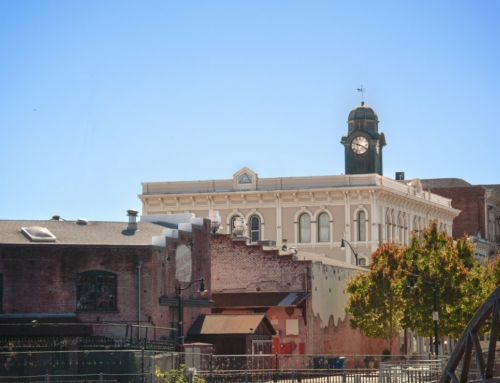
When you drive around Los Angeles, you might pass by buildings that carry a certain grandeur or unique architectural style without realizing their Masonic past. These structures aren’t just old buildings; they are tangible pieces of the city’s history and a testament to the presence and influence of Freemasonry.
The Hollywood Masonic Temple (1921)
The Hollywood Masonic Temple, built in 1921, stands as a grand reminder of Freemasonry’s presence in one of the world’s most famous neighborhoods. Located right in the heart of Hollywood, its construction coincided with the golden age of cinema. It’s not hard to imagine prominent figures from the burgeoning film industry, many of whom were Masons, gathering within its walls.
This temple wasn’t just a meeting place; it was a significant architectural statement. Its design often reflected the aspirations and prominence of the lodge members, serving as a beacon of community and fraternity in a rapidly developing area. Today, while it may not solely function as a Masonic lodge, its historical significance to both Freemasonry and Hollywood is undeniable. It represents a period when Freemasons were deeply intertwined with the cultural and economic growth of the area.
Highland Park Masonic Temple (1923)
Just a couple of years after the Hollywood temple, the Highland Park Masonic Temple was completed in 1923. Highland Park, a historic neighborhood in its own right, also saw a strong Masonic presence. The construction of such a substantial building indicates a thriving lodge and a committed membership within that community.
These temples weren’t just places for ceremonies; they often served as community centers for their respective neighborhoods. They hosted social events, charitable activities, and provided a gathering space for members to engage with each other and their broader community. The Highland Park temple is another example of how Freemasonry established physical landmarks that became part of the local fabric.
Sawtelle Masonic Temple (1926)
Moving further west, the Sawtelle Masonic Temple, built in 1926, adds another layer to the story of Masonic expansion across Los Angeles. Sawtelle, with its unique history and development, also hosted a dedicated Masonic lodge and temple. Each of these temples, built in different parts of the city, tells a story of local communities forming their own Masonic identity and establishing a presence.
The architecture of these buildings often incorporated symbolic elements of Freemasonry, making them distinctive even to the untrained eye. They were built to last, designed to impress, and intended to be a permanent home for their respective lodges. The Sawtelle temple, like its counterparts, represents the commitment of local Masons to build and sustain their fraternity within their immediate community.
The Scottish Rite Masonic Temple on Wilshire
One of the most visually striking and well-known Masonic landmarks in Los Angeles is the Scottish Rite Masonic Temple on Wilshire Boulevard. This isn’t just any temple; it’s a particularly grand and architecturally significant building, reflecting the scale and ambition of the Scottish Rite, a distinct branch of Freemasonry.
Its prominent location on Wilshire Boulevard, a major thoroughfare, speaks to its importance and visibility. These larger temples often served as regional hubs, hosting events and gatherings for a wider Masonic audience. The existence of such a monumental structure underscores the enduring presence and organizational strength of Freemasonry in Los Angeles throughout the 20th century. While its function may have evolved over time, its status as a historical landmark remains unchallenged.
Masonic Los Angeles Today: Continuity and Evolution
While the grand temples of the past certainly tell a story, Freemasonry in Los Angeles isn’t just a relic of history. It continues to exist and evolve, adapting to modern times while maintaining its core principles. The “Masonic Los Angeles” archive, as featured in the California Freemason’s Fall 2026 issue, is a testament to this ongoing story, mapping both the past and the present.
Active Lodges and Gathering Spaces
Today, you’ll find active Masonic lodges throughout Los Angeles. Many still meet in historic buildings, sometimes their original temples, sometimes in repurposed spaces that maintain a connection to their past. These lodges continue the tradition of brotherhood, self-improvement, and community service. They are places where men from diverse backgrounds come together to learn, to socialize, and to contribute to their communities through various charitable endeavors.
The way lodges operate has also evolved. While traditional ceremonies and meetings remain central, many lodges also engage in modern forms of outreach, social events, and community projects. They aim to be relevant in the 21st century, offering a space for connection and personal growth in an increasingly disconnected world. The blend of tradition with contemporary engagement is key to their continued existence.
Repurposed Masonic Spaces
Not every historic Masonic Temple remains solely a Masonic lodge. As property values change and organizational needs shift, some of these grand old buildings have found new lives. They might be repurposed as event venues, cultural centers, or even residential spaces. This doesn’t mean Freemasonry has disappeared from those locations; rather, it reflects a dynamic urban environment where buildings often serve multiple purposes over time.
Even when a building is repurposed, its Masonic history often remains a significant part of its identity. These structures stand as architectural reminders of the fraternity’s past influence. The “Masonic Los Angeles” archive likely highlights these transformations, showing how the physical footprint of Freemasonry continues to shape the city’s landscape, even in new forms. It’s a way of acknowledging the enduring legacy without being confined by past functions.
The Modern Mason and Community Engagement
Modern Freemasons in Los Angeles are often deeply involved in local communities, reflecting the same spirit of civic engagement that characterized their predecessors. While the specific industries might have changed from waterworks and early Hollywood, the commitment to philanthropy, education, and community support endures.
Today’s Masonic lodges might support local schools, organize charity drives, or participate in community clean-up efforts. They provide a space for men to develop leadership skills, engage in meaningful discussions, and build strong, supportive networks. The emphasis remains on personal development, ethical conduct, and contributing positively to the wider society, echoing the fundamental tenets that have guided Freemasonry for centuries. It’s a continuous thread from the early pioneers of Los Angeles to the lodge members of today.
Why Freemasonry Still Matters in Los Angeles
Understanding Freemasonry’s role in Los Angeles isn’t just an exercise in historical curiosity; it helps us appreciate the layers of influence that shaped the city we see today. The principles and actions of Freemasons had a tangible, lasting impact, and their legacy continues to resonate.
A Legacy of Civic Building
The direct involvement of Freemasons in establishing infrastructure, local government, and critical industries means that their contributions are woven into the very fabric of Los Angeles. When you consider the early challenges of building a city in Southern California, the organized effort, shared vision, and ethical frameworks provided by fraternal groups like Freemasons were invaluable. They weren’t just forming a club; they were actively engaged in city-building.
This legacy underscores the idea that organized groups with strong ethical foundations can play a pivotal role in societal development. It’s a reminder that collective action, driven by principles of improvement and community welfare, can lead to significant and enduring progress. The growth of Los Angeles from a small pueblo to a global metropolis owes a debt to these early efforts.
A Continual Presence and Evolving Role
Freemasonry in Los Angeles today is not simply a historical footnote. It’s a living tradition that continues to adapt and serve its members and communities. While its public profile might be different from the early 20th century, its core mission of fostering personal growth, brotherhood, and charitable action remains.
The existence of active lodges, the preservation of historic temples, and the ongoing interest in mapping its history (like the “Masonic Los Angeles” archive) all point to a dynamic presence. It shows that the values of Freemasonry still appeal to individuals seeking self-improvement, fellowship, and opportunities to contribute positively to their surroundings. It’s about continuity, but also about evolving to meet the needs and challenges of a contemporary society, maintaining relevance in a changing world.