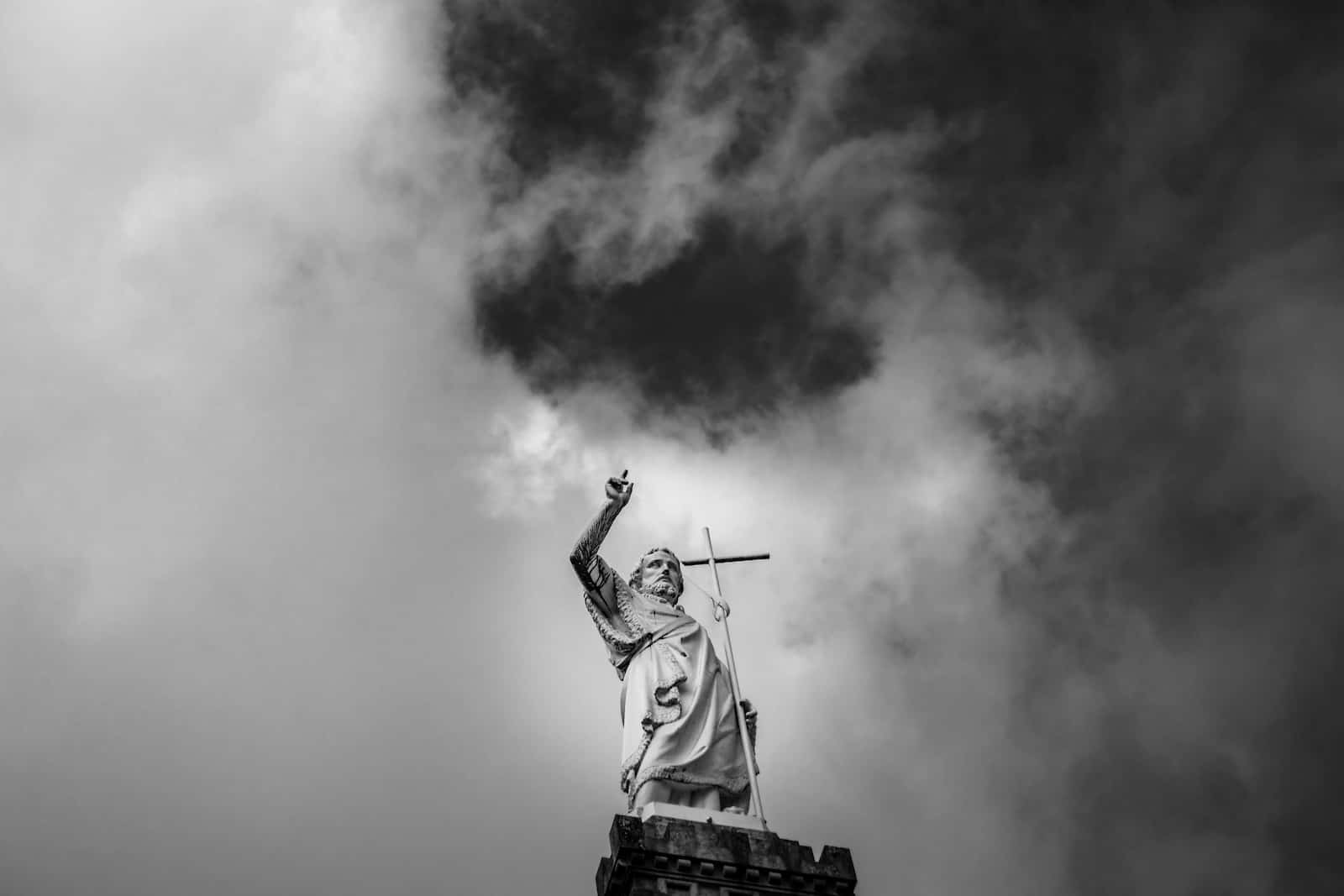
St. John is seen as a symbol of integrity and moral uprightness – traits that are highly valued in Masonry. His message of repentance and spiritual purification also resonates with many Masonic teachings about self-improvement and personal growth.
The legend of St. John as the patron saint of Freemasons was first popularized during the Enlightenment in France and England
St. John the Baptist is a significant figure in Freemasonry, and his legend has been intertwined with the organization’s history for centuries. The patron saint of Freemasons, St. John is believed to have been a part of the organization himself, and his teachings are said to have influenced Masonic rituals and traditions.
During the Enlightenment period in France and England, interest in Freemasonry grew significantly.
It was during this time that St. John’s legend became popularized as a central aspect of Masonic lore. Many Masons viewed St. John as a symbol of their own values and beliefs, particularly his commitment to truth and justice.
Today, many Freemasons still celebrate St. John’s Day on June 24th each year as an important holiday within their organization. This day is seen as an opportunity to reflect on the teachings of this legendary figure and renew one’s commitment to the principles he represents within the context of Masonry.
Overall, the link between St. John the Baptist and Freemasonry is rooted in shared values and symbolism related to building, morality, and spiritual development. Through their connection to this revered figure, Masons seek to embody these principles in their own lives while contributing to their communities through acts of charity and service.