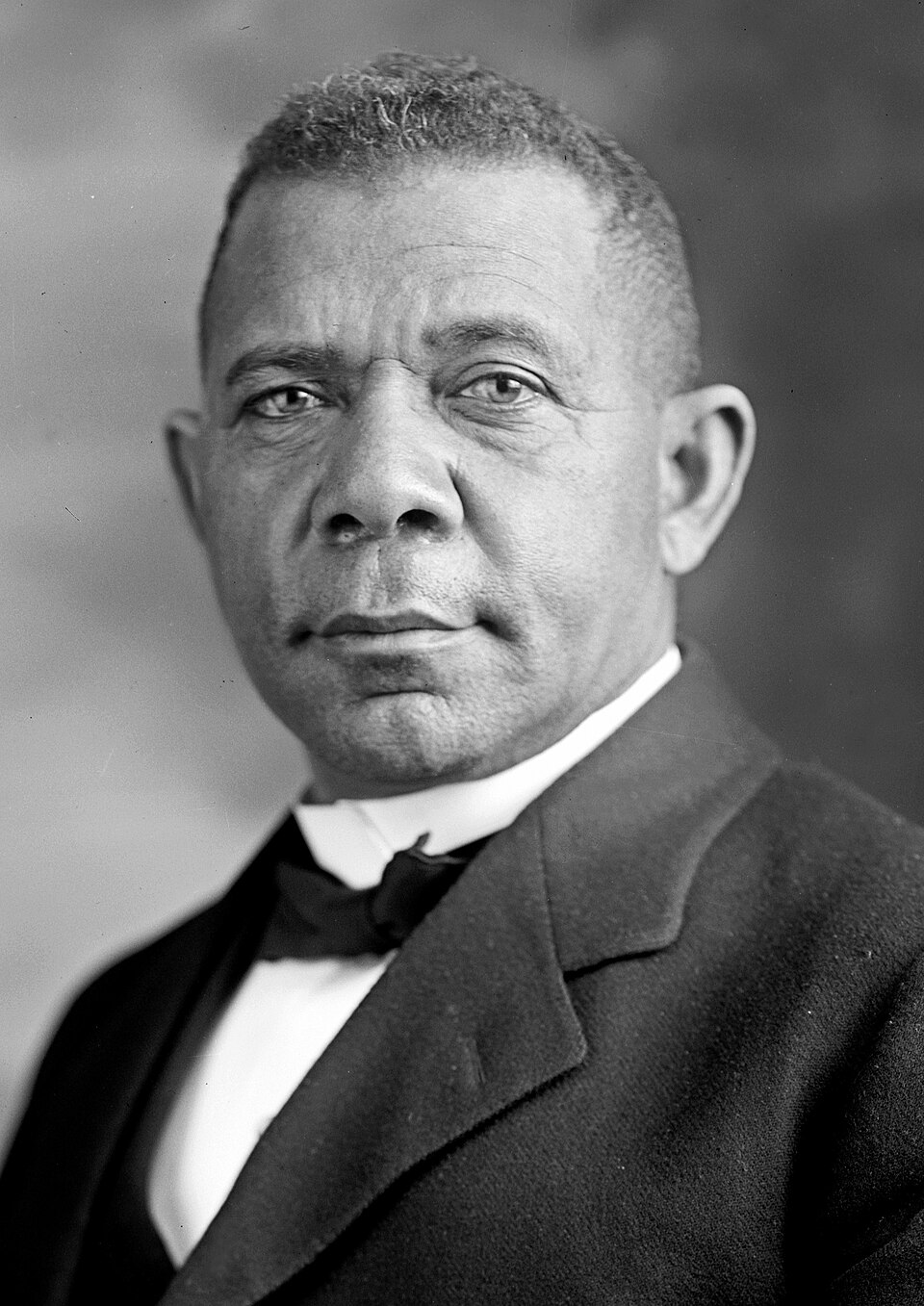
April is an apt month to remember Booker T. Washington, a man whose life embodied discipline, perseverance, and the transformative power of education. Born enslaved in Virginia in 1856, Washington rose through hardship to become one of the most influential Black leaders in American history. He was an educator, author, speaker, institution-builder, and a Brother whose life reflected the conviction that character and practical service can reshape both individuals and communities.
Washington’s greatest contribution to the world was his role in founding and leading Tuskegee Institute, where he championed education, skill development, and self-reliance. He believed that people should be equipped not only to dream, but to work, build, and contribute meaningfully to society. His message was grounded in realism and moral seriousness. He understood that lasting progress required patience, training, and a willingness to begin where one stands. That is why his voice still carries weight today.
As a public leader, Washington became one of the most prominent African American figures of his era. He traveled widely, spoke with power, and worked to secure opportunities for education and advancement at a time when barriers were enormous. His life was not without controversy, but even his critics recognized his extraordinary influence. He helped shape the national conversation about education, labor, dignity, and advancement. He made practical service a form of moral leadership.
In Masonic terms, Washington’s life speaks strongly to the values of labor, formation, and brotherly uplift. Freemasonry honors men who improve themselves and help improve the world around them. Washington’s career as an educator and organizer fits that ideal well. He believed in building people from the inside out, through disciplined effort and purposeful instruction. He knew that institutions matter, but only when they are filled with men and women trained to stand upright.
For the Mason, Washington’s example offers several lessons. First, education is a moral duty, not merely a personal advantage. A man who learns should be prepared to serve. Second, leadership is most effective when it is grounded in example. Washington did not merely speak about progress; he built systems that made progress possible. Third, dignity often comes from faithful labor. He showed that honorable work, done well, can lift entire communities.
Washington also reminds the lodge that real advancement requires order. A man cannot build a strong life on confusion, self-indulgence, or neglect. He must be willing to discipline his habits, direct his talents, and invest in what lasts. This is why his legacy still speaks to Masons who want to grow in wisdom and usefulness. He was not a man of idle theory. He was a man of results.
As you reflect on Booker T. Washington this April, consider the ways education, service, and self-mastery can still shape a man’s life. A Brother should never stop learning, never stop building, and never stop giving his best in the place where Providence has set him.
Brother, give yourself to useful work, pursue knowledge with humility, and lead by the strength of your example. Let your life become a testimony that education and service, joined with character, can elevate families, communities, and generations.