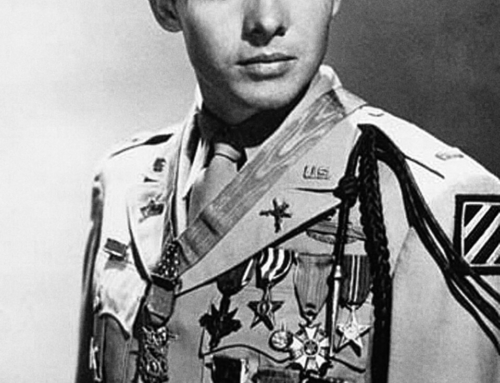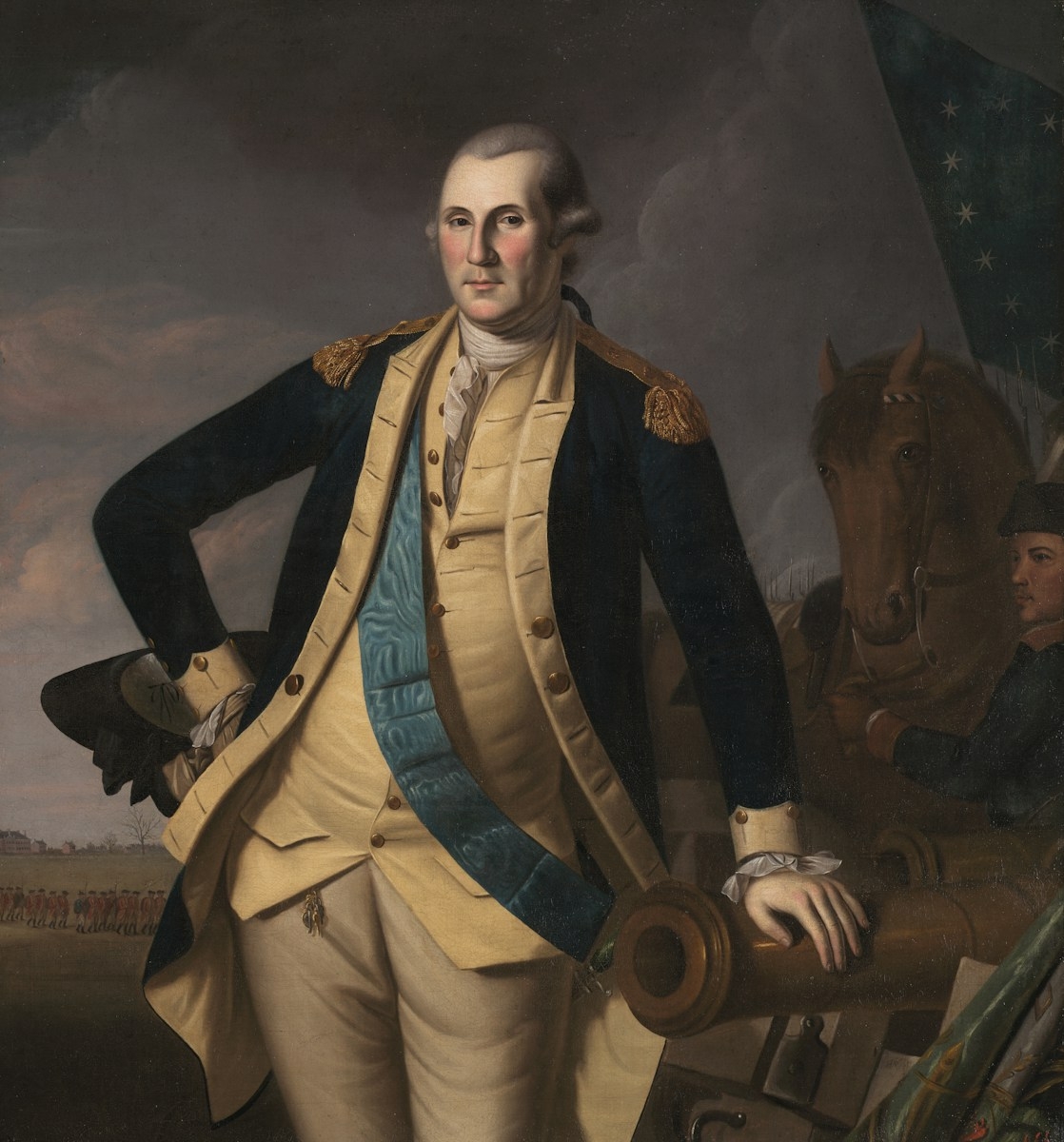
February naturally calls the lodge to remember George Washington, whose life remains one of the clearest examples of disciplined leadership, public duty, and personal restraint in American history. Born on February 22, 1732, Washington became the central figure in the birth of the United States, yet his greatness was not built on personal display. It was built on character. That quality, perhaps more than any other, is what gives his life lasting value to Freemasons.
Washington’s public contribution is well known. He served as commander of the Continental Army, guided the young nation through its earliest fragile years, presided over the Constitutional Convention, and set the standard for the presidency through his example of humility and responsibility. He could have pursued personal power, but he consistently chose duty over self-interest. That choice gave the new republic moral credibility and stability. His influence on the world was not limited to American history; it helped establish the idea that leadership should be accountable, restrained, and governed by principle.
For Freemasons, Washington stands as a towering figure because his life reflected so many of the virtues the Craft holds dear: fortitude, honor, self-command, reverence, and service. His Masonic identity is not an incidental detail. It formed part of the moral and symbolic world in which he lived and led. Washington understood the importance of order, brotherhood, and the moral formation of men. In a society being forged through conflict and uncertainty, those values mattered deeply.
What makes Washington especially compelling is not just that he was a Mason, but that his Masonic values were visible in his conduct. He demonstrated patience in adversity, dignity in victory, and restraint when others might have sought personal advantage. A lodge should admire that kind of steadiness because it is not flashy, but it is powerful. The work of a Mason is often quiet. It is seen in the ability to hold one’s temper, keep one’s word, serve faithfully, and carry responsibility without complaint.
Washington also reminds us that character is revealed under pressure. Many men can speak well of virtue when life is easy. Fewer can remain upright when the world is unstable. Washington did. That is one reason his legacy continues to inspire both citizens and Masons. He did not merely lead a movement; he embodied a standard. He showed that influence is strongest when it is grounded in self-mastery.
For modern Brothers, Washington offers a model of leadership that begins with inward order. A Mason who would lead well must first govern himself well. He must learn when to speak, when to listen, when to act, and when to wait. He must understand that power without humility is dangerous, but authority joined to moral restraint is a blessing to others. Washington’s life teaches that true leadership is service with discipline.
As you remember George Washington this February, consider what kind of man his example calls you to become. Not a man of noise, but a man of principle. Not a man who demands honor, but a man who earns it through steadfastness. Not a man who seeks the center, but a man who strengthens the whole.
Brother, walk today with the dignity of duty, the restraint of wisdom, and the courage to place service above self. Let your conduct prove that you have learned the value of leadership that is faithful, humble, and true.